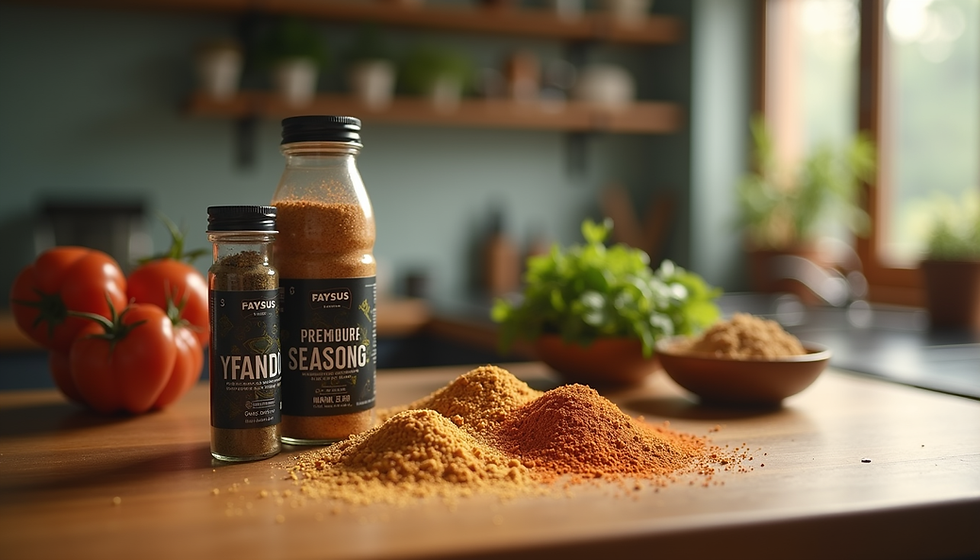
Explore Authentic African Recipes with Savannah Heat
- info4550045
- Jun 13
- 4 min read
African cuisine is a vibrant tapestry of flavors, colors, and traditions that reflect the continent's rich cultural heritage. From spicy stews to savory grilled meats, the diversity of African recipes is as vast as the continent itself. In this blog post, we will explore some authentic African recipes that you can easily recreate at home, bringing the warmth and richness of African cooking to your kitchen.

The Essence of African Cooking
African cooking is characterized by its use of fresh ingredients, bold spices, and a variety of cooking techniques. Each region boasts its own unique flavors and dishes, influenced by local ingredients and cultural practices. Here are some key elements that define African cuisine:
Spices and Herbs: African dishes often feature a blend of spices such as cumin, coriander, ginger, and chili peppers. These ingredients add depth and complexity to the flavors.
Grains and Legumes: Staples like rice, millet, sorghum, and beans are commonly used, providing a hearty base for many meals.
Vegetables and Fruits: Fresh produce plays a vital role, with ingredients like tomatoes, okra, and plantains frequently appearing in recipes.
Meat and Fish: Many African dishes include meat or fish, often marinated and grilled or stewed to enhance their flavors.
Popular African Dishes to Try
Jollof Rice
Origin: West Africa
Jollof rice is a beloved dish across West Africa, known for its vibrant red color and rich flavor. The dish is made with rice cooked in a tomato-based sauce, often served with grilled chicken or fish.
Ingredients:
2 cups of long-grain rice
1 can of diced tomatoes
1 onion, chopped
2 bell peppers, chopped
2 cloves of garlic, minced
1 teaspoon of thyme
1 teaspoon of curry powder
Salt and pepper to taste
Chicken or vegetable broth
Instructions:
In a large pot, sauté the onions, garlic, and bell peppers until soft.
Add the diced tomatoes, thyme, curry powder, salt, and pepper. Cook for about 10 minutes.
Stir in the rice and broth, bringing it to a boil. Reduce heat, cover, and simmer until the rice is cooked.
Serve with grilled chicken or fish.
Bobotie
Origin: South Africa
Bobotie is a traditional South African dish made with spiced minced meat and topped with a creamy egg mixture. It’s often served with yellow rice and chutney.
Ingredients:
1 pound of ground beef or lamb
1 onion, chopped
2 slices of bread, soaked in milk
2 tablespoons of curry powder
1 tablespoon of chutney
1 cup of milk
2 eggs
Salt and pepper to taste
Instructions:
Preheat the oven to 350°F (175°C).
In a skillet, sauté the onions until translucent. Add the ground meat and cook until browned.
Mix in the soaked bread, curry powder, chutney, salt, and pepper.
Transfer the mixture to a baking dish. In a bowl, whisk together the milk and eggs, then pour over the meat mixture.
Bake for 30-40 minutes until set and golden.
Injera with Doro Wat
Origin: Ethiopia
Injera is a sourdough flatbread that serves as a staple in Ethiopian cuisine, often paired with spicy stews like Doro Wat, a chicken dish simmered in a rich berbere sauce.
Ingredients for Injera:
2 cups of teff flour
3 cups of water
Salt to taste
Ingredients for Doro Wat:
2 pounds of chicken, cut into pieces
2 onions, finely chopped
3 tablespoons of berbere spice
1 can of diced tomatoes
4 hard-boiled eggs
Salt to taste
Instructions for Injera:
Mix the teff flour and water in a bowl, cover, and let it ferment for 2-3 days.
Heat a non-stick skillet and pour in a ladle of the batter, cooking until bubbles form. Flip and cook the other side briefly.
Instructions for Doro Wat:
In a pot, sauté the onions until golden. Add the berbere spice and cook for a few minutes.
Add the chicken pieces and cook until browned. Stir in the tomatoes and simmer until the chicken is cooked through.
Add the hard-boiled eggs and simmer for an additional 10 minutes.
Cooking Techniques in African Cuisine
Understanding the cooking techniques used in African cuisine can enhance your culinary experience. Here are some common methods:
Grilling: Many African dishes feature grilled meats, often marinated in spices and herbs for added flavor.
Stewing: Slow-cooked stews allow flavors to meld together, creating rich and hearty meals.
Frying: Deep-frying is common for snacks and appetizers, such as plantain chips or samosas.
Baking: Some dishes, like bobotie, are baked to achieve a golden crust and set fillings.
The Importance of Community in African Cooking
Food in African culture is often about more than just sustenance; it’s a way to bring people together. Meals are typically shared among family and friends, fostering a sense of community and connection. Cooking and sharing recipes is a way to pass down traditions and celebrate heritage.
Tips for Cooking Authentic African Recipes
Use Fresh Ingredients: Whenever possible, opt for fresh produce and spices to enhance the flavors of your dishes.
Experiment with Spices: Don’t be afraid to adjust the spice levels to suit your taste. African cuisine is known for its bold flavors, so feel free to explore.
Practice Patience: Many African dishes require time to develop flavors, especially stews and marinades. Allow your dishes to simmer and meld for the best results.
Share Your Meals: Invite friends or family to join you in enjoying your creations. Sharing food is a fundamental aspect of African culture.
Conclusion
Exploring authentic African recipes is a delightful journey that opens up a world of flavors and traditions. Whether you’re trying your hand at Jollof rice, Bobotie, or Injera with Doro Wat, each dish tells a story of culture and community. As you cook, remember that the heart of African cuisine lies in the joy of sharing meals with loved ones. So gather your ingredients, embrace the spices, and let the warmth of African cooking fill your home. Happy cooking!


Comments